
It’s remarkable how much impact a small seed can have on your health. Seeds are, by design, nutritionally complete — they contain everything needed to grow into a full plant. For us, that means an extraordinary concentration of fibre, protein, healthy fats, and micronutrients in every bite.
Three seeds have earned special recognition from a gut health specialist for their ability to clean and nourish the digestive tract: chia seeds, flaxseeds, and basil seeds. Here’s a closer look at what each one does and the best way to incorporate it into your diet.
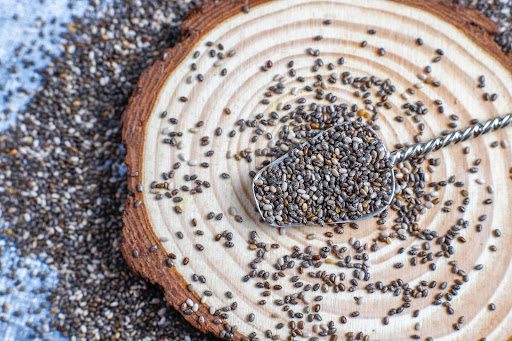
Chia seeds are rich in soluble fibre that forms a gel when wet, making them particularly effective at moving through the gut and supporting the microbiome. They also help regulate blood sugar and promote regular bowel movements. The best way to eat them is soaked — ideally overnight — in almond milk or yoghurt, served with berries.
Flaxseeds are unique in their omega-3 content, specifically ALA, which has potent anti-inflammatory effects that benefit the gut lining and the broader digestive environment. To unlock their nutrients, they must be ground before consumption. A tablespoon of ground flaxseeds in oatmeal or a smoothie several times a week addresses bloating, hormone balance, and cholesterol management.
Basil seeds, or sabja seeds, may be the least well-known of the three in Western diets, but they’ve been a staple digestive remedy in Ayurvedic medicine for generations. They expand fast in liquid, deliver plenty of soluble fibre, and work beautifully alongside chia seeds in a morning bowl or almond-based drink.