
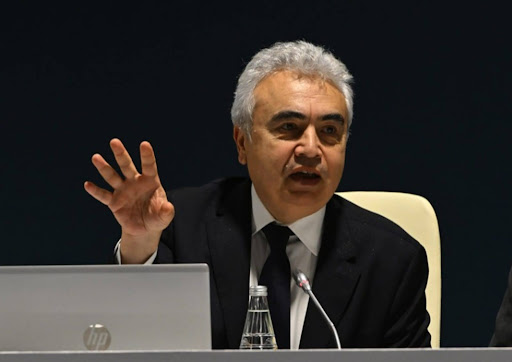
There is no quick fix to the global energy crisis caused by the Iran war, and the losses are mounting with each passing day, according to Fatih Birol, the head of the International Energy Agency. Speaking in Canberra, the IEA chief said the emergency now rivals the combined force of the 1970s oil shocks and the Ukraine gas crisis, with no near-term resolution in sight. He urged governments to act urgently and collectively rather than waiting for the crisis to resolve itself.
The conflict, which began February 28 with US and Israeli strikes on Iran, has caused daily oil losses of 11 million barrels and gas losses of 140 billion cubic metres. These figures exceed those of all previous energy crises, including the twin oil shocks that sent the global economy into recession in the 1970s. At least 40 major Gulf energy facilities have been severely damaged, meaning supply cannot be restored quickly even after the fighting stops.
The IEA acted on March 11 by releasing 400 million barrels of oil from strategic reserves, the largest emergency action in its history. Birol said further releases were under discussion and that only 20 percent of available stocks had been deployed. He also called for demand-side measures including expanded working from home, lower highway speed limits, and reduced commercial aviation.
The Strait of Hormuz, through which about a fifth of global oil flows, remains closed after attacks on commercial vessels. The closure has triggered acute shortages across the Asia-Pacific region and tightened fuel markets in Europe. Birol described reopening the strait as the single most important priority for stabilizing global energy supply.
Trump issued a 48-hour deadline to Iran to reopen the strait, which passed without a resolution, while Iran threatened to strike US and allied energy and water facilities. Birol met with Australian Prime Minister Anthony Albanese and expressed concern about nations hoarding fuel domestically. He concluded with a warning that every day the crisis continues without a genuine international response, the economic cost grows — and the path to recovery becomes longer and harder.