
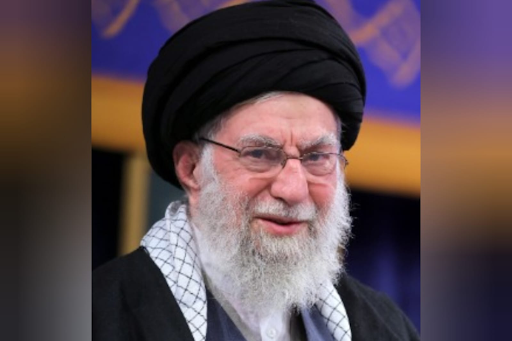
Long before the first American and Israeli bombs fell, most Iranians were already living with the consequences of their Supreme Leader’s choices. Decades of sanctions, economic mismanagement, and deliberate isolation from the global economy had eroded the living standards of millions, particularly in the urban middle class that had once been the backbone of Iranian civil society.
Khamenei’s economic model relied heavily on cronyism and the IRGC’s extensive business empire to distribute resources and maintain loyalty among key constituencies. For ordinary citizens, the result was rising inflation, a collapsing currency, and limited access to international goods and services including medicines and technology.
The brief period during which Iran’s economy grew — when reformist and moderate governments held the presidency and the European Union was Iran’s largest trading partner — was systematically dismantled by Khamenei’s political choices. Reformist politicians who challenged his authority found themselves imprisoned or marginalized; economic integration with the West was sacrificed for ideological purity.
The January protests, in which tens of thousands took to the streets before a brutal crackdown killed more than 7,000 people, were driven in large part by economic desperation as well as political grievances. The regime’s willingness to use lethal force on that scale reflected the depth of the existential threat it perceived from domestic unrest.
Now, with the country at war and facing a leadership transition, economic conditions are likely to deteriorate further in the short term. The question of whether the post-Khamenei leadership will prioritize economic recovery — potentially through engagement with the West — or double down on the isolationist model is one of the central uncertainties of the current moment.