
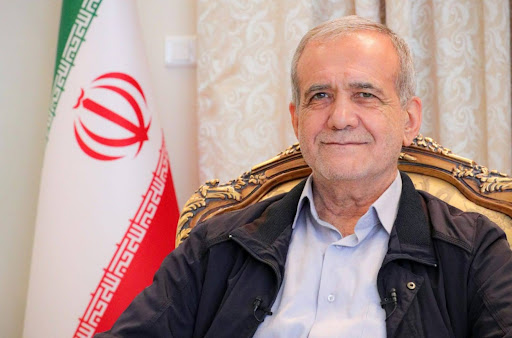
More than a month into the war between Iran and the United States, Iranian President Masoud Pezeshkian has delivered a charged message to Gulf neighbours: if they want peace and development, they must not allow Washington or Tel Aviv to use their territory as a base of operations. The statement underscores Tehran’s frustration with the regional dynamics that have allowed the war to widen far beyond its original scope. It also signals a deliberate Iranian effort to drive a wedge between Gulf governments and their American partner.
Saudi Arabia, the UAE, Qatar, Oman, and Kuwait have all been drawn into the conflict due to the US military presence on their soil. American forces have used bases in these nations to launch military operations against Iran, triggering retaliatory Iranian strikes on those same countries. The spiral of attacks has created a situation where Gulf nations are absorbing the costs of a war they did not choose to start.
In a message posted on X, Pezeshkian reiterated that Iran operates on a defensive doctrine, pledging strong retaliation for any damage to its infrastructure or economic assets while affirming that Iran does not strike first. His appeal to Gulf leaders was framed in the language of development and security, warning that hosting enemy operations would prevent them from achieving either. The president positioned Iran as a neighbour seeking regional stability rather than confrontation.
Pakistan’s government has positioned itself as a credible peace broker, with Prime Minister Shehbaz Sharif holding direct talks with Pezeshkian. Sharif indicated after the meeting that the Iranian president views mutual trust as indispensable to any meaningful negotiation process. Tehran’s endorsement of Pakistan’s mediation role has boosted Islamabad’s regional standing considerably.
In a show of coordinated diplomatic activity, the foreign ministers of Saudi Arabia, Egypt, and Turkey are converging in Pakistan for intensive consultations on the war. Alongside meetings with Pakistani Foreign Minister Ishaq Dar and Prime Minister Sharif, they are expected to discuss practical de-escalation measures. The scale and scope of the diplomatic gathering suggest a growing sense of urgency among regional powers to halt the conflict.